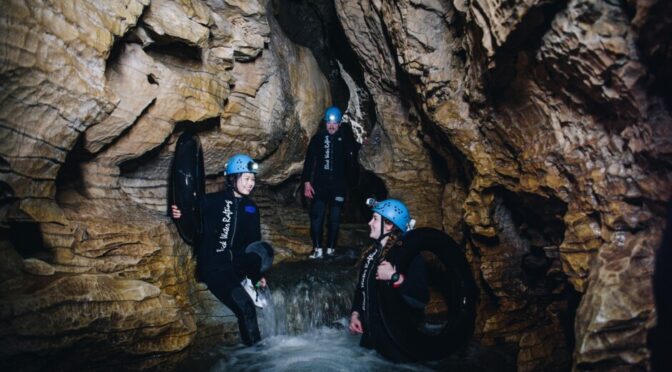
Let’s address the elephant in the room right away: “luxury caving” sounds like an oxymoron. Caves are muddy, wet, dark, and inherently uncomfortable. The whole point of caving is getting dirty and challenging yourself, right?
Well, yes and no. While the actual underground experience will always involve some level of discomfort—that’s part of what makes it memorable—the way you approach it, the quality of guidance you receive, and what happens before and after your cave journey can absolutely be luxurious.
You don’t have to choose between authentic adventure and comfort. In New Zealand, you can have both.
What “Luxury Caving” Actually Means
Before we go further, let’s define what we’re talking about. Luxury caving doesn’t mean being carried through caves on a velvet cushion while sipping champagne. The underground experience itself remains challenging and real. What changes is everything else:
- Expert, personalized guidance from highly qualified professionals
- Small group sizes or private tours that allow for individual attention
- Top-quality equipment that’s well-maintained and properly fitted
- Comfortable transportation to and from cave sites
- Premium pre and post-cave experiences (gourmet meals, spa treatments, boutique accommodation)
- Exclusive access to caves not available on standard tours
- Comprehensive safety protocols and insurance
- Flexibility to customize your experience based on your preferences and abilities
Essentially, luxury caving means you get the authentic underground adventure without sacrificing quality in every other aspect of the experience.
The Waitomo Region: New Zealand’s Luxury Caving Hub
When people think of caves in New Zealand, they think of Waitomo. Located in the North Island’s Waikato region, Waitomo has been attracting visitors since the late 1800s. The name itself comes from the Māori words “wai” (water) and “tomo” (hole or shaft), which perfectly describes the region’s landscape.
What makes Waitomo special isn’t just the caves themselves—it’s the variety. You’ve got everything from gentle walking tours through illuminated caverns to serious multi-hour expeditions that require abseiling, swimming, and climbing. And increasingly, you’ve got operators who understand that some travelers want the adventure without the budget constraints.
The Standard Waitomo Experience:
The famous Waitomo Glowworm Caves attract around 500,000 visitors annually. You walk through carved limestone passages, see impressive formations, and take a boat ride through the Glowworm Grotto where thousands of tiny bioluminescent creatures create a starry night effect on the cave ceiling. It’s beautiful, it’s accessible, and it costs around $50-60 NZD.
But that’s not luxury. That’s mass tourism—wonderful for what it is, but you’re in a group of 40 people following a set route on a strict schedule.
The Luxury Alternative:
Several operators in Waitomo now offer private or small-group tours of the same caves (or other caves in the region) where you might pay $300-500 NZD per person but get:
- Groups limited to 4-8 people instead of 40
- Guides who can adjust the pace and focus based on your interests
- Time to actually photograph what you’re seeing without being rushed
- Access to areas of the cave system not on the standard route
- Sometimes, access to caves that aren’t open to general tourism at all
Is it worth the price difference? That depends entirely on what kind of experience you value.
The Ruakuri Cave: Where Luxury and Accessibility Meet
One of my favorite examples of how New Zealand does premium cave experiences is Ruakuri Cave, also in Waitomo. This cave was closed for years and reopened in 2005 after a $6 million redevelopment that created what might be the most accessible and comfortable cave tour in the country.
The entrance itself is a work of art—a 15-meter spiral descent into the earth that’s wheelchair accessible. Inside, you walk on well-maintained paths with subtle lighting that showcases the cave’s features without overwhelming them. The acoustic design is remarkable; you can hear the underground rivers and waterfalls but still clearly hear your guide.
But here’s where it gets interesting for luxury travelers: Ruakuri offers private tours outside normal operating hours. Imagine having the entire cave system to yourself, with a guide who can spend as much time as you want at each feature, who can explain the geology in detail or focus on the Māori history—whatever interests you.
The price? Around $1,500-2,000 NZD for a small group. Expensive? Absolutely. But you’re essentially renting an entire cave system and getting a completely personalized experience.
Black Water Rafting: The Premium Version
Black water rafting—floating through caves on inner tubes, often jumping off small waterfalls—is one of Waitomo’s signature experiences. The standard version costs around $150-200 NZD and is a fantastic adventure, but it’s also a production line. Groups are large, you move quickly, and while it’s fun, it’s not exactly personalized.
The Legendary Black Water Rafting Company (the main operator) does offer a “Black Labyrinth” tour that’s slightly more premium—smaller groups, longer time underground, more challenging routes. But for true luxury, you want to look at operators who do fully private expeditions.
What a Premium Black Water Experience Looks Like:
- Group size: Just you and your companions, plus guides (maximum 6 people)
- Duration: 4-6 hours instead of the standard 3 hours
- Customization: The route can be adjusted based on your comfort level and interests
- Photography: Time built in for photos and videos (some operators even provide waterproof GoPros)
- Pace: You control how much time you spend in each section
- Add-ons: Some operators include gourmet picnic lunches in dry cave chambers, or hot drinks and food after the expedition
Cost? Expect to pay $400-600 NZD per person, sometimes more depending on what’s included.
Is it worth it? If you value having control over your experience and hate feeling rushed, absolutely. If you’re fine with a more structured group experience, the standard tours are excellent and much better value.
Private Caving Expeditions: The Ultimate Luxury
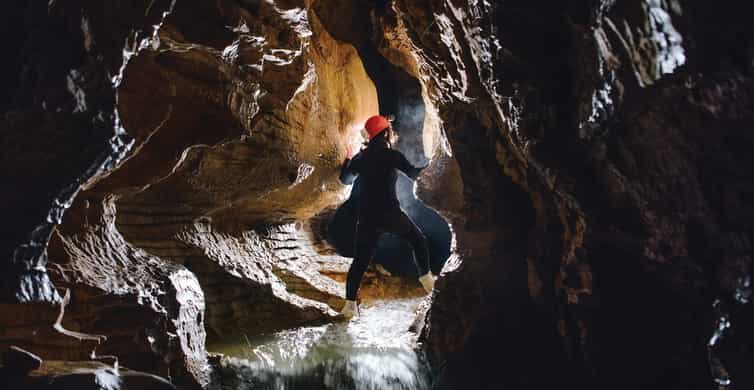
This is where things get really interesting. Several specialized operators in New Zealand offer completely custom caving expeditions designed around your specific interests and abilities. These aren’t tours—they’re genuine adventures planned just for you.
What This Looks Like in Practice:
Let’s say you’re reasonably fit, you want a real challenge, but you also want expert guidance and top-quality equipment. You contact an operator like Absolute Adventure (known for their hands-on approach) or Waitomo Adventures, and you describe what you’re after.
They might design a full-day expedition that includes:
- Morning: Private transport from your accommodation, comprehensive safety briefing and equipment fitting
- Main expedition: 4-6 hours exploring a cave system like Luckie Strike, with routes chosen specifically for your group’s abilities
- Lunch: Packed gourmet lunch (because even adventure travelers need to eat well)
- Afternoon: Continue exploration, focusing on areas of particular interest (geological formations, underground waterfalls, tight squeezes—whatever you’re most excited about)
- Evening: Return to surface, private transport back, with the option for dinner at a premium local restaurant
The guides on these expeditions are often highly qualified—think people with geology degrees, years of professional caving experience, wilderness first aid certifications. They’re not just keeping you safe; they’re genuinely knowledgeable about what you’re seeing.
Cost for this kind of day? $800-1,500 NZD per person, depending on group size and specific requirements.
Beyond Waitomo: Luxury Caving Elsewhere in New Zealand
While Waitomo dominates New Zealand’s cave tourism, it’s not the only option. And for luxury travelers looking for something truly exclusive, these lesser-known options might be even more appealing.
Metro Cave, Charleston (South Island):
Metro Cave is New Zealand’s longest cave system at about 6.5 kilometers. The regular tours are good, but Underworld Adventures offers premium small-group and private tours that venture deeper into the system than standard routes.
What makes this special: The South Island location means fewer tourists, and the cave has features you won’t see in Waitomo—including ancient Moa bones (extinct giant birds). The premium tours include abseiling, climbing, and exploration of remote passages.
Te Ana-au Caves, Fiordland:
Located near Te Anau (gateway to Milford Sound), these caves are part of a stunning larger landscape. The caves themselves feature glowworms and underground waterfalls, but the real luxury here is the location—you can combine a cave visit with premium Fiordland experiences.
The Luxury Approach: Private boat transfer across Lake Te Anau, exclusive cave tour, return via helicopter with scenic flight over Fiordland. Some operators package this with stays at luxury lodges in the area.
Cost? $1,500-3,000 NZD per person depending on what’s included, but you’re getting a full-day premium experience in one of New Zealand’s most beautiful regions.
Nettlebed Cave, Nelson:
This is New Zealand’s deepest cave at 889 meters and is absolutely not for casual tourists. Exploring Nettlebed properly requires serious caving skills and takes multiple days.
But for ultra-luxury adventure travelers, some specialized operators offer guided multi-day Nettlebed expeditions that include:
- Expert guide team
- All technical equipment
- Underground camping in dry chambers
- Gourmet freeze-dried meals (because even underground, food can be good)
- Photography and documentation of your achievement
This is expedition-level caving, and prices reflect it: $5,000+ NZD per person for a proper multi-day Nettlebed trip. But you’ll be doing something that fewer than a hundred people do each year.
Accommodation
Let’s be honest—Waitomo town itself isn’t exactly a luxury destination. It’s a small rural village with limited dining and accommodation options. But that’s changing, and there are now several genuinely comfortable places to stay.
Premium Accommodation Options:
Waitomo Boutique Lodge: Boutique B&B with just three rooms, farm views, gourmet breakfast, and hosts who can arrange private cave tours. Expect to pay $300-400 NZD per night.
Abseil Inn: Modern, comfortable accommodation right in Waitomo village. Not luxury exactly, but clean, well-appointed, and convenient. Around $200 NZD per night.
Surrounding Luxury Lodges: Some travelers base themselves at luxury lodges in nearby areas (like Hamilton or Cambridge) and do day trips to Waitomo. This gives you access to five-star accommodation with the trade-off of longer travel times.
Glamping Options: Several operators now offer luxury camping experiences near Waitomo—think comfortable beds, proper bathrooms, gourmet meals, but with the outdoor experience. Around $250-400 NZD per night.
What You Actually Get for Your Money
Let’s talk value, because spending significantly more on a cave experience needs to be worth it.
Standard Tour ($50-150 NZD):
- Large groups (20-40 people)
- Set routes and timing
- Good guides but limited personal interaction
- Basic safety equipment
- Memorable experience but somewhat rushed
Premium Tour ($300-500 NZD):
- Small groups (4-8 people)
- More time, more flexibility
- Detailed explanations tailored to your interests
- High-quality, well-maintained equipment
- Genuine interaction with expert guides
Luxury Private Experience ($800-2,000+ NZD):
- Private or very small groups (2-6 people)
- Completely customized routes and timing
- Expert guides with specialized knowledge
- Top-tier equipment
- Additional services (photography, gourmet meals, transportation)
- Access to exclusive areas or caves
The question isn’t whether premium experiences cost more—obviously they do. The question is whether the difference justifies the price for you.
If you’re traveling on a budget, the standard tours are excellent and give you the core cave experience. If you value personalization, expertise, and avoiding crowds, the premium options deliver genuine value. If money isn’t a constraint and you want something truly special, the luxury private experiences create once-in-a-lifetime memories.
Is Luxury Caving Worth It?
Here’s my honest assessment after experiencing both budget and premium cave tours in New Zealand:
Go luxury if:
- You hate being in large tourist groups
- You want to learn in-depth about what you’re seeing
- You have specific interests (geology, photography, etc.) that require time and expertise
- You value flexibility and personalization
- You’re celebrating something special and want a unique experience
- You have limited time and want to maximize the quality of your cave experience
Stick with standard tours if:
- You’re traveling on a budget
- You just want to see glowworms and some cave formations
- You’re fine with structured group experiences
- You’re doing multiple activities and caves aren’t your main focus
There’s no right answer—it’s entirely about your priorities, budget, and what kind of traveler you are.
Final Thoughts: Adventure Doesn’t Have to Mean Roughing It
The beautiful thing about New Zealand’s approach to adventure tourism is that they’ve figured out how to maintain authenticity while offering premium experiences. You’re not getting a sanitized, fake version of caving when you book a luxury tour—you’re getting the real thing, just with better equipment, smaller groups, and expert guidance.
Will you still get muddy? Absolutely. Will you still get wet and tired and challenged? Yes. But you’ll do it with guides who genuinely know their stuff, equipment that fits properly and works well, and the flexibility to make the experience match your interests.
That’s what luxury caving in New Zealand offers: the adventure stays real, but everything around it gets better.
So if you’ve been hesitating because you want to experience New Zealand’s incredible underground world but you’re not interested in budget backpacker-style tours, know this: you don’t have to choose. You can have the mud and the comfort, the challenge and the expertise, the adventure and the luxury.
You just need to know where to look—and be willing to pay for it.