So you’ve booked a caving tour in New Zealand. You’re excited, maybe a little nervous, and now you’re staring at your suitcase wondering: what on earth do I actually wear for this?
Here’s the thing—what you wear for caving isn’t just about comfort or looking the part. It’s genuinely about safety, performance, and whether you’ll have an amazing experience or spend several hours miserable and cold. Let me walk you through what you actually need to know.
The Golden Rule: You’re Going to Get Wet and Muddy
Before we dive into specifics, let’s establish the fundamental truth about caving: you will get wet, you will get muddy, and whatever you wear is probably going to be ruined. Not “a little dirty” ruined—more like “I’m never wearing this in public again” ruined.
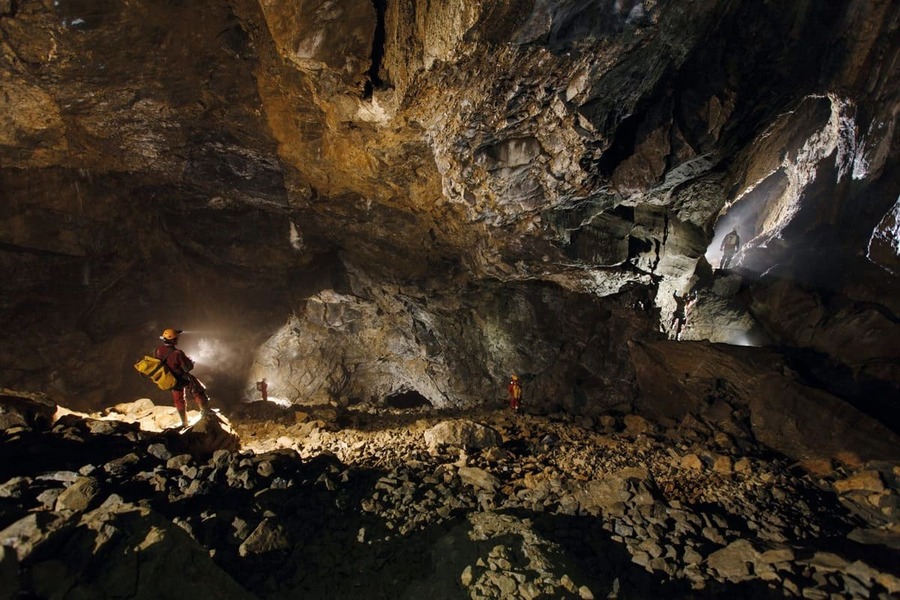
This isn’t an exaggeration. Caves are wet environments. You’ll be crawling through mud, wading through underground streams, possibly abseiling down waterfalls, and squeezing through tight passages where your body will be in direct contact with wet rock and clay. If you go into this thinking you’ll stay relatively clean, you’re setting yourself up for disappointment.
The good news? Once you accept this reality, choosing what to wear becomes much easier. You’re not trying to protect your clothes—you’re choosing clothes you don’t mind destroying.
What Most Caving Tour Operators Provide
The first thing you need to understand is that different caving tours provide different levels of equipment. There’s a massive difference between what you get on a basic glowworm cave tour versus what you need for a serious caving expedition.
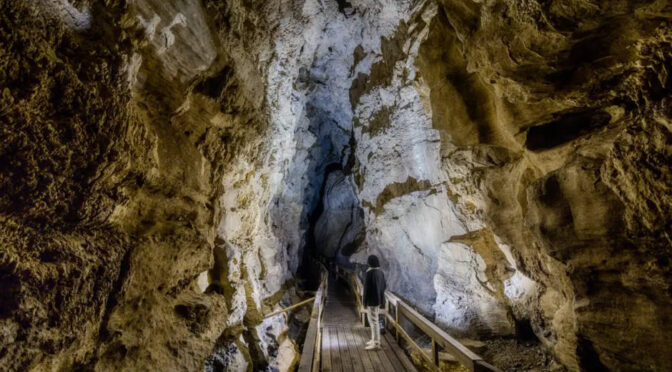
Basic Tourist Cave Tours (like the standard Waitomo Glowworm Caves tour) typically require nothing special at all. You’ll walk on paved paths, maybe some stairs, and stay completely dry. Wear whatever you’d wear for a casual day out—comfortable shoes, normal clothes, done.
Adventure Caving Tours (like blackwater rafting or serious caving expeditions) usually provide:
- Wetsuits (essential for wet caves)
- Helmets with headlamps
- Harnesses (for abseiling and safety lines)
- Boots or wetsuit booties
- Sometimes gloves
However—and this is crucial—just because they provide a wetsuit doesn’t mean you show up naked underneath it. You still need to wear appropriate layers, and this is where many first-timers make mistakes.
What Goes Under the Wetsuit
If your tour provides a wetsuit, you might think, “Great, I’ll just wear my regular underwear and the wetsuit over it.” Wrong. That’s a recipe for being cold, uncomfortable, and potentially chafed in places you really don’t want to be chafed.
What You Should Wear Under a Wetsuit:
Base Layer Top and Bottom: This is non-negotiable. You want synthetic or merino wool thermal underwear—something that wicks moisture away from your skin and provides a thin layer between you and the wetsuit. Sports compression gear works well too.
Why this matters: Wetsuits work by trapping a thin layer of water against your skin, which your body heat warms. But you still need something underneath to prevent chafing and provide an extra insulation layer. Cotton is your enemy here—it gets wet, stays wet, and will make you cold.
Sports Bra (for women): Wear something supportive and comfortable. You’ll be climbing, crawling, and moving in ways you don’t normally move. This isn’t the time for regular everyday underwear.
Synthetic Underwear: Again, avoid cotton. Synthetic materials or merino wool will dry faster and keep you warmer when wet.
Thin Wool Socks: Many tours provide wetsuit booties, but you’ll want thin wool or synthetic socks underneath. Not thick hiking socks—thin ones that fit comfortably inside the booties without bunching.
What to Wear If No Wetsuit Is Provided
Some caving tours—particularly drier cave systems or those with less water exposure—don’t provide wetsuits. This is where your clothing choices become even more critical.
The Ideal Outfit
Old Clothes You Don’t Care About. I cannot stress this enough. Don’t wear anything you even remotely care about keeping. That favorite t-shirt? Leave it at the hotel. Those decent jeans? Nope.
Long Sleeves and Long Pants. Even in summer. Caves maintain a constant cool temperature (usually around 10-14°C in New Zealand), and you’ll want coverage for both warmth and protection from scrapes.
Synthetic or Wool Materials. Your clothes should be made from materials that perform when wet. Synthetic athletic wear, old wool sweaters, or outdoor gear you’ve retired from active use are all perfect.
Layers You Can Adjust. A synthetic long-sleeve shirt with a fleece or synthetic jacket over it gives you options. Caves can be humid and you’ll generate heat while moving, but you might cool down during rest breaks.
Pants That Can Take Abuse. Old tracksuit pants, synthetic hiking pants, or even old jeans (though denim is heavy when wet) work fine. Some people wear leggings under loose pants for extra warmth and protection.
Footwear: More Important Than You Think
Your feet are going to have a rough time in a cave. They’ll be wet, you’ll be scrambling over rocks, you might be wading through water, and you need boots that can handle all of it.
If the Tour Provides Boots
You’re in luck, but you still need to bring appropriate socks (see above). The provided boots will usually be rubber Wellington-style boots or wetsuit booties, depending on the tour type.
If You Need to Bring Your Own
This is trickier. You want boots that:
- Have good ankle support
- Have decent grip on wet rocks
- Can get completely soaked without falling apart
- You don’t mind ruining
Old hiking boots or sturdy work boots are ideal. Running shoes or sneakers can work for less intense tours, but they offer less protection and support. Sandals or open-toed shoes are absolutely not acceptable—tour operators will likely refuse to take you into the cave if that’s all you have.
Whatever you choose, break them in before the tour. Discovering that your boots give you blisters while you’re three hours into an underground expedition is not a fun experience.
The Accessories That Make a Difference
Beyond the basic clothing, there are some accessories that can significantly improve your caving experience.
Gloves
Many serious caving tours provide or require gloves, but if yours doesn’t, bring them. You’ll be using your hands constantly—gripping ropes, climbing, pulling yourself through tight spaces, touching wet rock covered in who-knows-what.
Good options include:
- Gardening gloves (cheap, disposable, decent grip)
- Light work gloves
- Synthetic athletic gloves
Avoid bulky winter gloves—you need dexterity and grip, not warmth.
Headwear
Tours will provide helmets, but what goes under the helmet matters if it’s cold. A thin beanie or headband can make the difference between comfort and misery. Just make sure it’s thin enough that your helmet still fits properly.
Extra Clothes for After
This deserves its own category because it’s so often forgotten. When you finish your cave tour, you will be soaked, muddy, and possibly shivering. You need:
- Complete change of clothes (including underwear)
- Towel
- Plastic bag for your wet, muddy clothes
- Clean shoes
Many people show up prepared for the cave but forget they need to drive/walk somewhere afterward. Don’t be that person standing in a car park in a wetsuit, shivering, with no dry clothes.
What NOT to Wear
Let’s be clear about what you should absolutely leave at your accommodation:
- Cotton Anything: Cotton kills your warmth when it gets wet. No cotton t-shirts, cotton underwear, cotton socks, or cotton hoodies.
- Jewelry: Leave your rings, necklaces, watches, and earrings behind. They’ll get lost, damaged, or caught on something.
- Contact Lenses: This is debatable, but many experienced cavers recommend glasses or going without if your vision allows. Muddy water and contact lenses don’t mix well.
- Anything Valuable: Your nice jacket, good watch, or expensive outdoor gear should stay behind. Bring stuff you can afford to lose or destroy.
- New Clothes: Even if they’re the right material, don’t wear brand new gear. Caves will destroy it, and you’ll regret the waste of money.
Temperature Considerations
New Zealand caves maintain relatively constant temperatures year-round, typically between 10-14°C (50-57°F). That might not sound too cold, but remember:
- You’ll be wet
- There’s often airflow (wind chill)
- You’ll have periods of intense activity followed by rest breaks where you cool down rapidly
- The combination of wet + cool + air movement creates conditions where hypothermia is a genuine risk if you’re underdressed
This is why proper layering matters so much. You need clothes that insulate when wet, and you need enough layers to stay warm during rest periods without overheating during active periods.
Different Tours, Different Requirements
It’s worth noting that not all caving tours have the same clothing requirements. Let me break down the typical categories:
Walking Cave Tours (Waitomo Glowworm Caves, Ruakuri Cave walkthrough):
- Normal street clothes
- Comfortable walking shoes with grip
- Light jacket (caves are cooler than outside)
- That’s it—you’ll stay dry and clean
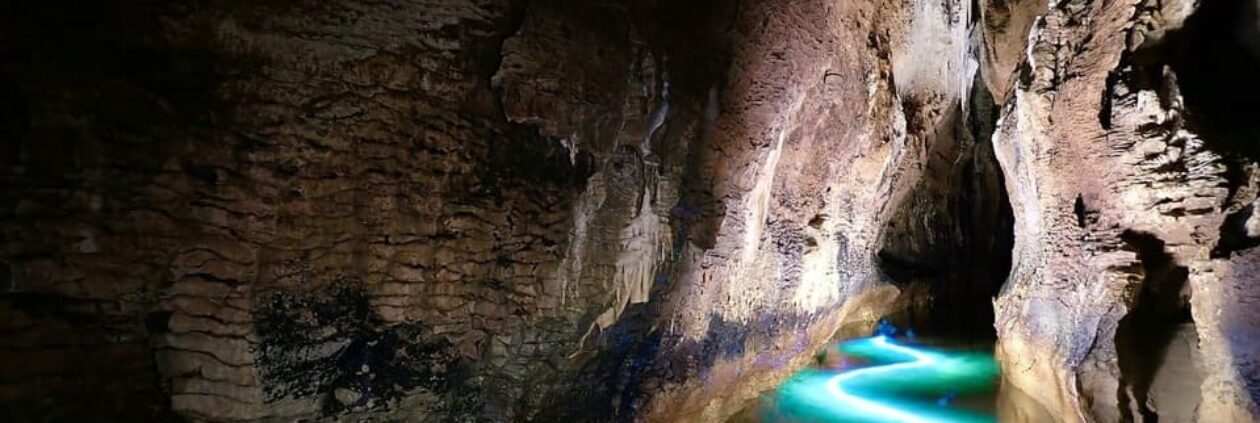
Blackwater Rafting (floating through caves on inner tubes):
- Tour provides wetsuit, boots, helmet
- You bring: base layers, warm socks, old clothes for under wetsuit
- Expect to get completely soaked
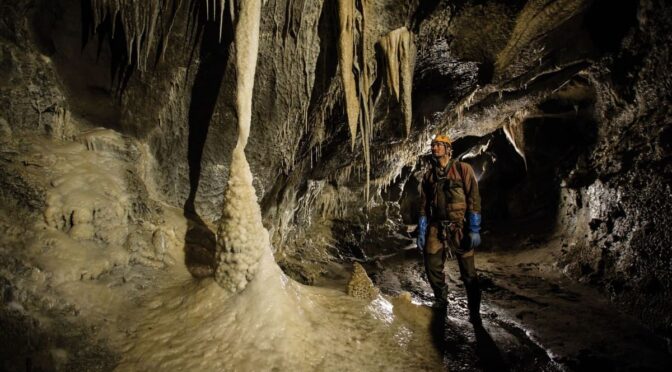
Adventure Caving (Absolute Adventure-style expeditions):
- Tour provides wetsuit, helmet, harness, boots
- You bring: thermal base layers, gloves, warm socks
- Expect to get soaked, muddy, and work hard physically
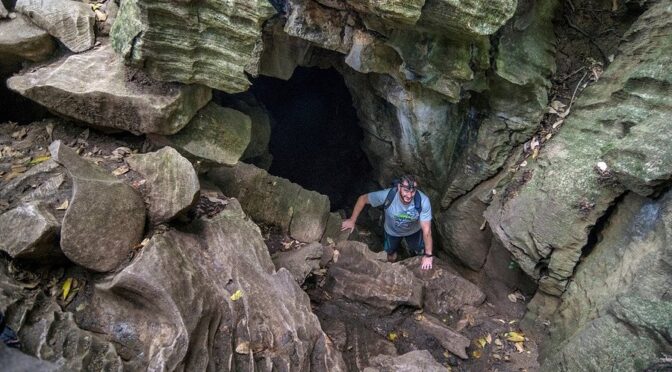
Wild Caving (serious exploration, minimal infrastructure):
- May or may not provide equipment
- You might need full caving gear (helmet, light, etc.)
- Clothing needs to be extremely durable
- Only for experienced cavers
Always check with your specific tour operator about what they provide and what you need to bring. Requirements can vary significantly even within the same category.
The Economics of Cave Clothing
Here’s a question nobody likes to address: should you buy new gear for caving, or sacrifice old clothes?
If you’re doing one casual cave tour: Sacrifice old clothes. Buy nothing new. Use that old thermal top from three winters ago, wear those leggings with the worn-out knees, and bring boots you were planning to replace anyway.
If you’re doing serious adventure caving: You might need to invest in proper base layers if you don’t have them. But shop sales, use outdoor gear you already own, or buy cheap synthetic athletic wear instead of expensive brand-name stuff.
If you plan to cave regularly: Now it makes sense to invest in quality gear that performs well. But that’s a different conversation.
The reality is that most people do one or two cave tours during their New Zealand trip, then never go caving again. Don’t spend $200 on gear for that experience.
Final Checklist: Don’t Leave Home Without
To make this practical, here’s your actual packing checklist for an adventure caving tour:
To Wear in the Cave:
- Thermal base layer top (synthetic or wool)
- Thermal base layer bottoms (synthetic or wool)
- Sports bra (women) or supportive underwear (men)
- Thin wool or synthetic socks
- Old long-sleeve shirt (over base layer if no wetsuit provided)
- Old long pants (if no wetsuit provided)
- Old fleece or jacket (if no wetsuit provided)
To Bring:
- Boots (if not provided)
- Gloves (if not provided)
- Thin beanie or headband
- Complete change of dry clothes
- Clean shoes
- Towel
- Large plastic bag for wet/muddy gear
- Second plastic bag as backup
To Leave Behind:
- Jewelry
- Anything cotton
- Anything you care about
- Expensive gear
Why This All Actually Matters
You might be reading this thinking I’m being overly detailed about what’s essentially just clothes. But here’s why it genuinely matters:
- Safety: Hypothermia is a real risk in caves. Proper clothing is literally a safety issue, not just a comfort preference.
- Experience Quality: Being cold, wet, and uncomfortable transforms an amazing adventure into an ordeal you just want to end. The right clothes mean you can focus on the incredible environment around you instead of how miserable you feel.
- Performance: If your boots don’t grip, if your clothes restrict movement, if you’re shivering too much to function—you can’t fully participate in the experience. You might even hold up your group.
- Cost: Proper preparation means you’re not buying emergency replacement clothes at tourist prices or, worse, being turned away from a tour you’ve paid for because you showed up in cotton and sandals.
The clothing you choose for caving is one of those things where a little knowledge and preparation creates a massively better experience. You don’t need expensive gear or specialized equipment for most tours—you just need to understand the environment and dress accordingly.
So dig through your closet, find those old synthetic layers you never wear, accept that they’re about to die a noble death, and get ready for one of the most unique experiences New Zealand has to offer. Just remember: when you emerge covered in mud, exhausted, and exhilarated, you’ll be glad you wore the right stuff.