Category Archives: Tour Choice

Waitomo Isn’t the Only Option: Alternative Cave Experiences in New Zealand

When people think of caving in New Zealand, the name most likely to pop into your head is Waitomo Glowworm Cave — and with good reason. This cave is famous around the world for its silent boat ride beneath a ceiling filled with bioluminescent glowworms, creating an experience that feels almost magical.

But what if you want something different — something less crowded, more adventurous, or simply off the beaten track? New Zealand’s underground world has so much more to offer than just the classic Waitomo tour. From remote glowworm grottoes to dramatic limestone labyrinths, volcanic lava tubes, and river‑carved caves on the South Island, you’ll find a whole spectrum of underground experiences waiting to be explored.

1. Te Anau Glowworm Caves — A South Island Hidden Gem

Over in the South Island’s vast wilderness, there’s a caving experience that feels almost like a secret: the Te Anau Glowworm Caves near Lake Te Anau. These are less talked about than Waitomo, but for many travelers, they’re just as enchanting and, in some ways, more peaceful.

Here’s what makes this cave special:

First, the journey to the cave is part of the adventure. You begin with a scenic cruise across Lake Te Anau, one of New Zealand’s most beautiful alpine lakes, surrounded by native forest and mountain scenery. That sense of remoteness sets the tone — this isn’t a tour surrounded by crowds, it’s an intimate journey into nature.

Once you reach the cave entrance, you explore a system carved by underground water that has shaped twisting limestone passageways over thousands of years. It’s not just about the glowworms here — the geology itself is a big part of the appeal. The glowworm grotto is reached by boat and the setting feels quieter and more natural than many high‑traffic sites.

If you’re the kind of traveler who loves serenity — the feeling of discovering something beautiful without a crowd around you — this one is worth considering. It’s particularly a good fit if your New Zealand itinerary takes you through Fiordland, near destinations like Milford Sound or Queenstown.

2. Metro/Te Ananui Caves — Rafting Through the West Coast Underground

If your sense of adventure leans toward the playful and wild side, the West Coast’s Metro/Te Ananui Caves might be exactly what you’re looking for. Located in Paparoa National Park, this cave system is quite different from the polished glowworm tours in the North Island — it’s raw, dynamic, and deep within native forest country.
2. Metro/Te Ananui Caves — Rafting Through the West Coast Underground

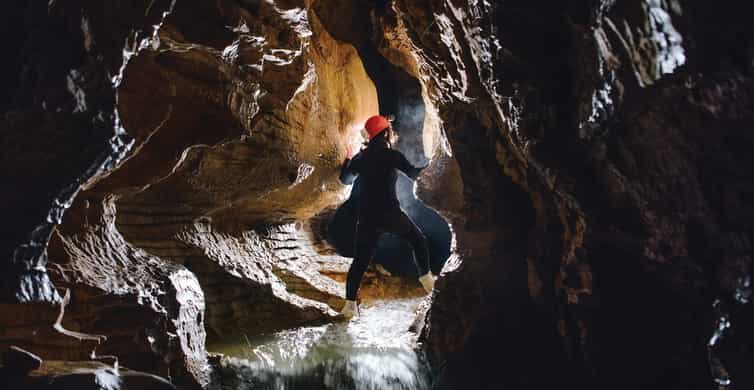
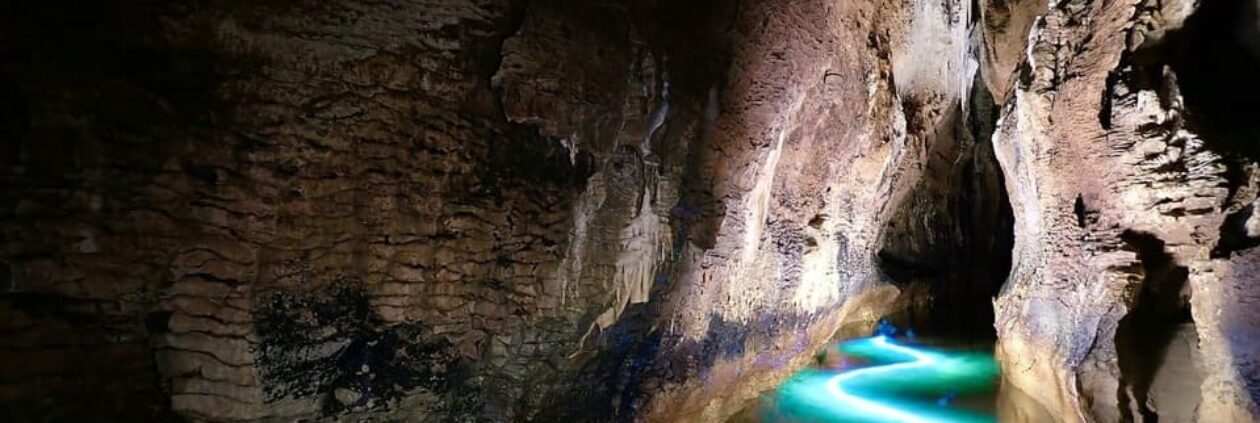
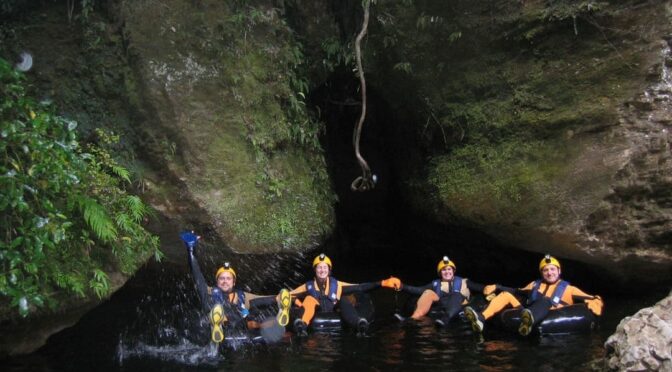
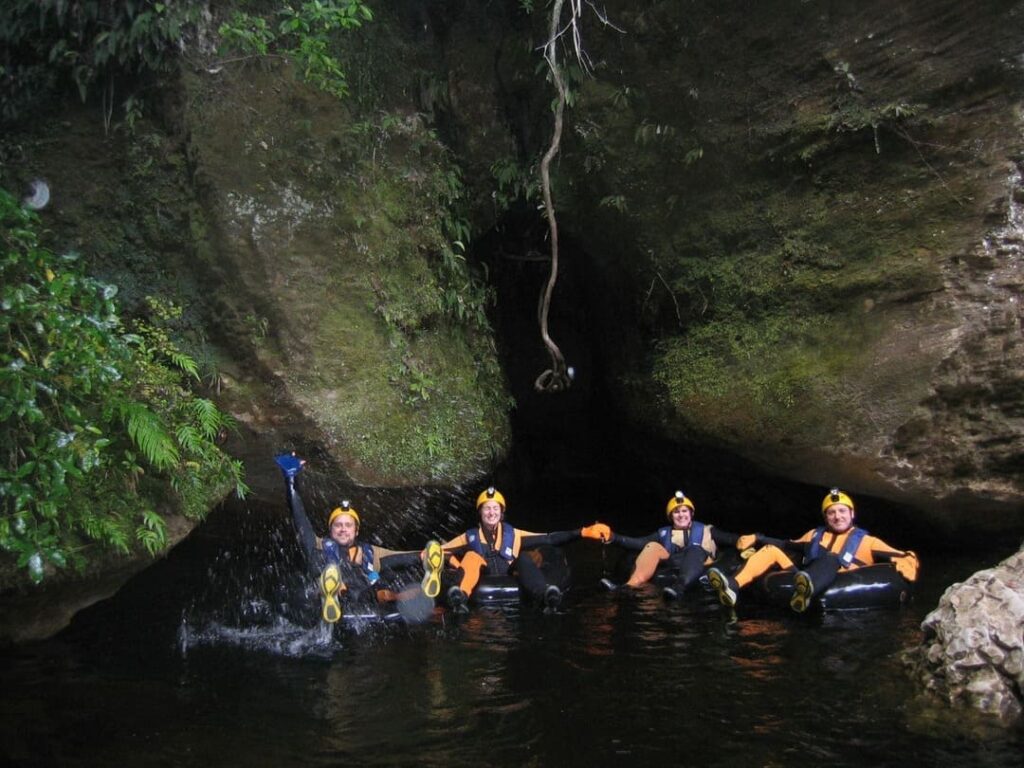
To reach the caves, you take a short bush tram ride and enter the limestone maze where nature has shaped old passageways and chambers. The terrain here ranges from dry cave galleries with impressive stalactites and formations to underground rafting sections, where you float along gentle streams in inflatable tubes.

One part of the system even has a glowworm grotto, so you get that familiar starry effect, but the whole trip is more about exploring and experiencing the cave environment in motion. It’s ideal for people who enjoy activity‑based spelunking — something that mixes mild adventure with spectacular scenery.

3. Waipu Caves — Rugged Raw Glowworm Spot Up North

Not all cave experiences in New Zealand require a ticket or guidebook listing. In the Northland region, the Waipu Caves offer a much more rugged, independent experience — and in many ways, a more “authentic” one. If you’re willing to look after your own safety and be prepared, this is the kind of adventure that feels like stumbling upon a secret nature world.

Waipu Caves are free and unregulated, which means there’s no visitor centre or guided tours — just you, a head torch, and an underground world to explore. The cave passages can be wet and slippery, occasionally waist‑deep in water, so you’ll need sturdy footwear and good lighting.

Inside, you’ll find limestone chambers that echo with water and, in spots, glowworms hanging quietly from the ceiling. They’re the same species found in Waitomo, but here the experience is entirely yours — no schedules, no crowds, and no commercial trappings.

Keep in mind this sort of independent spelunking isn’t for everyone — it’s best suited to people who are confident in their navigation and comfortable with uneven terrain. But if you want to get off the tourist trail and see something that feels truly wild, this could be your perfect option.

4. Kawiti Glowworm Caves — A Family‑Owned Experience in Bay of Islands

For a slower‑paced, more personal experience that still lets you enjoy the magic of glowworms, the Kawiti Glowworm Caves near the Bay of Islands are an excellent alternative. These caves are less famous than Waitomo, but locals often describe them as a quieter, more intimate way to see glowworm displays.

The caves are operated by descendants of the original Māori owners, and your guide isn’t just a narrator of natural facts — they often share stories of local history, Māori culture, and family connections to the land. You walk along wooden boardwalks beneath ceilings filled with tiny shimmering lights as your eyes gradually adjust to the darkness.

What makes Kawiti special isn’t just the glowworms themselves, but the way the whole experience feels woven into a story of place and people. There’s no rush, no big crowds, just you and the quiet glow beneath the limestone — and you’ll likely walk away feeling like you’ve seen something meaningful and unique.

5. Lava Caves Around Auckland — A Different Underground World

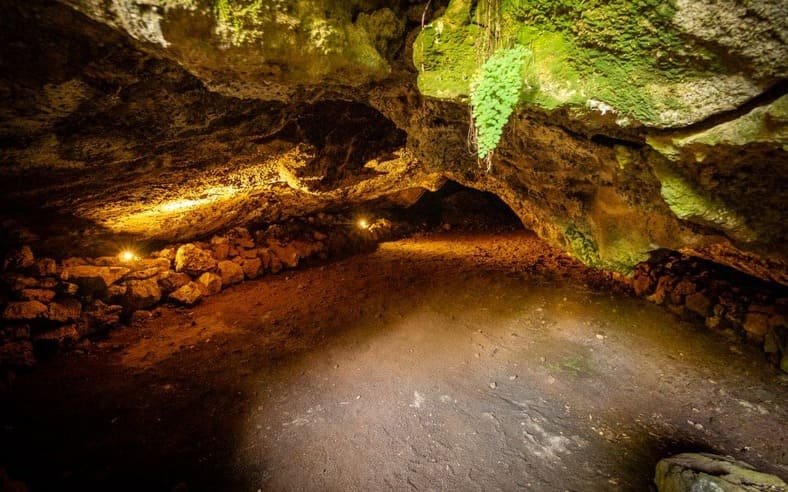
Most of the glowworm cave talk focuses on limestone — caves carved over millennia by water dissolving rock — but the North Island also has a very different kind of underground adventure: lava caves formed by ancient volcanic eruptions. These caves aren’t glowworm‑filled caverns, but they offer a fascinating look at how molten rock once flowed and cooled, leaving tunnels and passageways behind.
5. Lava Caves Around Auckland — A Different Underground World

Around the Auckland volcanic field, lava caves can be explored either independently or as part of guided tours. You’ll see formations that are completely different from limestone stalactites and stalagmites — these features were created by fire, not water. Walking or crawling through lava tubes can feel like stepping into the Earth’s very history, and it gives you a different perspective on what a “cave” can be.

This is a great option if your travel plans center around Auckland and you want a quick yet memorable underground experience without heading all the way to the central North Island.

6. Abbey Caves and Other Hidden Limestone Grottos

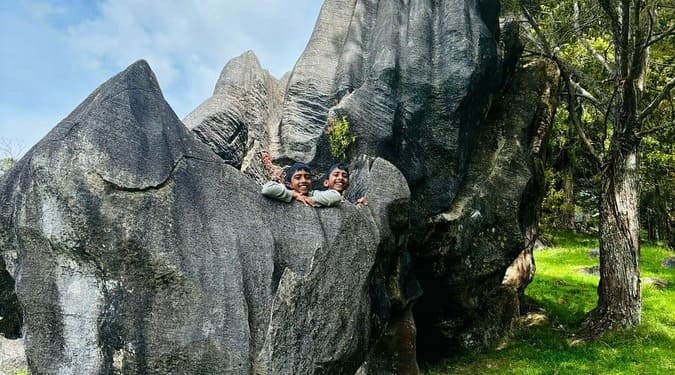
For truly off‑the‑usual‑path caving, you don’t always need big commercial tours. Places like Abbey Caves near Whangārei offer multi‑cave systems where you can explore three distinct limestone passages at your own pace. These caves might not be as famous or polished as Waitomo, but they provide a great sense of adventure and geological diversity.
6. Abbey Caves and Other Hidden Limestone Grottos

In the Abbey complex you’ll find areas called Organ Cave, Ivy Cave, and Middle Glow Worm Cave — each with its unique feel. Rock formations, uneven passageways, and miniature glowworm displays make this type of visit feel more like a real spelunking adventure than a supervised tourist tour.

Just like with Waipu Caves, these kinds of experiences require you to be prepared, self‑aware of conditions, and respectful of nature — but they can be incredibly rewarding if you love exploring with a sense of curiosity and independence.

Tips for Exploring Alternative Caves in NZ

Exploring these lesser‑known sites can be thrilling, but it’s good to go in with the right mindset and preparation. Here’s what you should remember:

  • Know what you’re signing up for. Some caves are easy walking tours; others require climbing, crawling, or wading through water — and some are best suited to small groups or guided explorations.
  • Dress for the environment. Caves are often cold and damp, even in warm weather. Wearing sturdy shoes, warm layers, and a reliable headlamp makes a huge difference.
  • Respect nature. Many of these environments are fragile. Glowworms and cave formations can be damaged by bright lights, loud noise, or careless footsteps, so always be respectful and follow local guidance.
  • Check weather and conditions. Heavy rainfall can quickly flood cave entrances and passageways, so always make sure conditions are safe, especially for unguided caves like Waipu or Abbey.

Final Thoughts

Waitomo might be the most famous cave adventure in New Zealand — and it’s certainly iconic — but it’s far from the only underground experience worth your time. Whether you head south to Te Anau’s tranquil glowworm grotto, raft through West Coast caves in Paparoa National Park, wander rugged passages in Northland, or feel the history beneath lava‑formed tunnels near Auckland, New Zealand’s underground world offers something unique around nearly every corner.

Dive in with curiosity, respect for the natural world, and a spirit of adventure, and you’ll find caving in NZ is far richer and more diverse than just one famous name.
Not All Caves Are the Same: Choosing Your Kind of Adventure in New Zealand

How to find the underground experience that actually fits you

When you first start looking into caving in New Zealand, it’s easy to assume it’s all one type of experience — a bit of darkness, some glowworms, maybe a short walk underground. But once you begin to explore your options, you realise something important: caving here isn’t one thing at all — it’s a whole spectrum of completely different adventures.

Some caves feel calm and almost meditative, where you move slowly and quietly, just taking in the atmosphere. Others are messy, physical, and unpredictable, where you’re climbing, slipping, getting wet, and constantly adjusting your balance. The difference between these experiences is huge — and if you choose the wrong one for yourself, it can completely change how you feel about it.

That’s why the most important decision you make isn’t which cave to visit, but what kind of experience you actually want.

When You Just Want to Slow Down and Take It In

There’s something special about caves that are designed to be accessible. You don’t need to think too much about where to step or how to move — you can just follow the path, listen to your guide, and let the space reveal itself slowly.

These types of caves are often where people first fall in love with caving. You walk through limestone chambers shaped over thousands of years, hear stories about how the cave formed, and eventually find yourself in near-total darkness, looking up at glowworms that feel almost unreal.

The beauty of this kind of experience is that it doesn’t demand much from you physically. Instead, it gives you time to notice details — the echo of dripping water, the texture of rock, the way your eyes adjust to darkness. It’s less about adrenaline and more about presence.

If you’re the kind of person who enjoys nature in a calm, reflective way, this type of cave will feel just right.

When You Want to Feel Like You’re Actually Exploring

At some point, though, you might want more than just walking along a path. You might want to step slightly outside that controlled environment and feel like you’re discovering something, not just observing it.

This is where mid-level cave experiences become really interesting. The structure is still there — you usually have a guide, and the route is known — but the cave feels less “prepared” for visitors. The ground is uneven, the space feels more natural, and your movement becomes part of the experience.

You start paying attention to where you place your feet. You might need to crouch, use your hands, or move slowly through sections that feel less predictable. And instead of just looking at the cave, you begin to interact with it.

What’s surprising is how quickly this shift changes your mindset. You become more focused, more aware, and more connected to the space around you. It still feels safe, but it also feels real.

When You’re Ready for Something More Physical and Wild

Then there’s the kind of caving that pushes you a bit further — the kind where you don’t come out clean and relaxed, but slightly tired, muddy, and completely satisfied.

This is where caves turn into playgrounds for adventure. Instead of just walking, you’re moving through water, climbing over rocks, and sometimes floating through underground rivers. You feel the temperature drop, you notice how the air changes, and you realise you’re deep inside a space that doesn’t care whether you’re comfortable or not.

It’s not extreme in a dangerous way when done properly, but it does require effort. You’ll use your body more, rely on balance, and stay mentally engaged the whole time.

What people don’t always expect is how immersive this feels. You’re not just visiting the cave anymore — you’re part of it, adapting to it, figuring it out step by step. And that’s often what makes it so memorable.

When You Decide to Go Without a Guide

There’s another level entirely — the one where you step away from guided experiences and choose to explore on your own.

On the surface, it sounds exciting. No schedule, no group, no one telling you where to go. Just you, your light, and the cave. And yes, that freedom can feel incredible.

But this is also where caving becomes something very different.

Without a guide, everything becomes your responsibility. You need to understand the route, be aware of weather conditions, and know how to handle unexpected situations. Caves can change quickly — especially if water is involved — and what feels manageable at the entrance can become challenging deeper inside.

It’s not about fear, but about respect. These environments aren’t designed for convenience, and once you’re underground, there’s no easy way to rely on outside help.

If you’re prepared and experienced, this kind of exploration can feel deeply rewarding. But if you’re not, it can quickly become overwhelming.

The Part Most People Don’t Think About

What often catches people off guard isn’t just the physical side of caving — it’s how different it feels mentally.

Caves remove all the usual reference points you rely on. There’s no horizon, no natural light, no sense of distance the way you’re used to above ground. Everything becomes immediate — the space around you, the sound of water, the beam of your light.

For some people, this feels peaceful. For others, it takes time to adjust.

That’s why choosing the right type of cave matters so much. It’s not just about how difficult it is physically, but how comfortable you feel being in that kind of environment.

So How Do You Actually Choose?

Instead of searching for “the best cave in New Zealand,” it helps to shift your thinking slightly.

Ask yourself what kind of experience you want to walk away with.

Do you want to feel calm and amazed, or challenged and energized? Do you enjoy moving through nature actively, or do you prefer observing it quietly? Are you curious about the underground world, or are you looking for a bit of adventure?

There’s no wrong answer here. What matters is that your choice matches your expectations.

Because when it does, caving becomes something unforgettable. Not because it’s famous or highly rated, but because it feels exactly right for you.

Final Thoughts

New Zealand offers some of the most diverse cave experiences in the world, but that diversity is easy to overlook if you focus only on the most popular spots.

Once you understand that not all caves are the same, everything changes. You stop looking for the “top” experience and start looking for your experience.

And when you choose well, caving becomes more than just another activity on your itinerary — it becomes one of those moments where you step out of your usual world and into something completely different.

Quiet, dark, unpredictable — and surprisingly meaningful.

Luxury Caving Experiences in New Zealand: When Adventure Meets Comfort

Let’s address the elephant in the room right away: “luxury caving” sounds like an oxymoron. Caves are muddy, wet, dark, and inherently uncomfortable. The whole point of caving is getting dirty and challenging yourself, right?

Well, yes and no. While the actual underground experience will always involve some level of discomfort—that’s part of what makes it memorable—the way you approach it, the quality of guidance you receive, and what happens before and after your cave journey can absolutely be luxurious.

You don’t have to choose between authentic adventure and comfort. In New Zealand, you can have both.

What “Luxury Caving” Actually Means

Before we go further, let’s define what we’re talking about. Luxury caving doesn’t mean being carried through caves on a velvet cushion while sipping champagne. The underground experience itself remains challenging and real. What changes is everything else:

  • Expert, personalized guidance from highly qualified professionals
  • Small group sizes or private tours that allow for individual attention
  • Top-quality equipment that’s well-maintained and properly fitted
  • Comfortable transportation to and from cave sites
  • Premium pre and post-cave experiences (gourmet meals, spa treatments, boutique accommodation)
  • Exclusive access to caves not available on standard tours
  • Comprehensive safety protocols and insurance
  • Flexibility to customize your experience based on your preferences and abilities

Essentially, luxury caving means you get the authentic underground adventure without sacrificing quality in every other aspect of the experience.

The Waitomo Region: New Zealand’s Luxury Caving Hub

When people think of caves in New Zealand, they think of Waitomo. Located in the North Island’s Waikato region, Waitomo has been attracting visitors since the late 1800s. The name itself comes from the Māori words “wai” (water) and “tomo” (hole or shaft), which perfectly describes the region’s landscape.

What makes Waitomo special isn’t just the caves themselves—it’s the variety. You’ve got everything from gentle walking tours through illuminated caverns to serious multi-hour expeditions that require abseiling, swimming, and climbing. And increasingly, you’ve got operators who understand that some travelers want the adventure without the budget constraints.

The Standard Waitomo Experience:

The famous Waitomo Glowworm Caves attract around 500,000 visitors annually. You walk through carved limestone passages, see impressive formations, and take a boat ride through the Glowworm Grotto where thousands of tiny bioluminescent creatures create a starry night effect on the cave ceiling. It’s beautiful, it’s accessible, and it costs around $50-60 NZD.

But that’s not luxury. That’s mass tourism—wonderful for what it is, but you’re in a group of 40 people following a set route on a strict schedule.

The Luxury Alternative:

Several operators in Waitomo now offer private or small-group tours of the same caves (or other caves in the region) where you might pay $300-500 NZD per person but get:

  • Groups limited to 4-8 people instead of 40
  • Guides who can adjust the pace and focus based on your interests
  • Time to actually photograph what you’re seeing without being rushed
  • Access to areas of the cave system not on the standard route
  • Sometimes, access to caves that aren’t open to general tourism at all

Is it worth the price difference? That depends entirely on what kind of experience you value.

The Ruakuri Cave: Where Luxury and Accessibility Meet

One of my favorite examples of how New Zealand does premium cave experiences is Ruakuri Cave, also in Waitomo. This cave was closed for years and reopened in 2005 after a $6 million redevelopment that created what might be the most accessible and comfortable cave tour in the country.

The entrance itself is a work of art—a 15-meter spiral descent into the earth that’s wheelchair accessible. Inside, you walk on well-maintained paths with subtle lighting that showcases the cave’s features without overwhelming them. The acoustic design is remarkable; you can hear the underground rivers and waterfalls but still clearly hear your guide.

But here’s where it gets interesting for luxury travelers: Ruakuri offers private tours outside normal operating hours. Imagine having the entire cave system to yourself, with a guide who can spend as much time as you want at each feature, who can explain the geology in detail or focus on the Māori history—whatever interests you.

The price? Around $1,500-2,000 NZD for a small group. Expensive? Absolutely. But you’re essentially renting an entire cave system and getting a completely personalized experience.

Black Water Rafting: The Premium Version

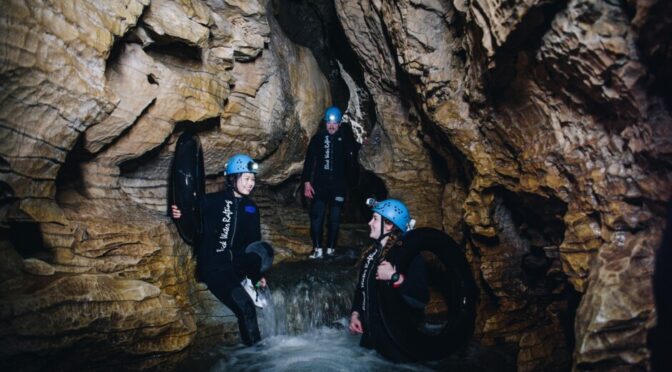
Black water rafting—floating through caves on inner tubes, often jumping off small waterfalls—is one of Waitomo’s signature experiences. The standard version costs around $150-200 NZD and is a fantastic adventure, but it’s also a production line. Groups are large, you move quickly, and while it’s fun, it’s not exactly personalized.

The Legendary Black Water Rafting Company (the main operator) does offer a “Black Labyrinth” tour that’s slightly more premium—smaller groups, longer time underground, more challenging routes. But for true luxury, you want to look at operators who do fully private expeditions.

What a Premium Black Water Experience Looks Like:

  • Group size: Just you and your companions, plus guides (maximum 6 people)
  • Duration: 4-6 hours instead of the standard 3 hours
  • Customization: The route can be adjusted based on your comfort level and interests
  • Photography: Time built in for photos and videos (some operators even provide waterproof GoPros)
  • Pace: You control how much time you spend in each section
  • Add-ons: Some operators include gourmet picnic lunches in dry cave chambers, or hot drinks and food after the expedition

Cost? Expect to pay $400-600 NZD per person, sometimes more depending on what’s included.

Is it worth it? If you value having control over your experience and hate feeling rushed, absolutely. If you’re fine with a more structured group experience, the standard tours are excellent and much better value.

Private Caving Expeditions: The Ultimate Luxury

Private Caving Expeditions: The Ultimate Luxury

This is where things get really interesting. Several specialized operators in New Zealand offer completely custom caving expeditions designed around your specific interests and abilities. These aren’t tours—they’re genuine adventures planned just for you.

What This Looks Like in Practice:

Let’s say you’re reasonably fit, you want a real challenge, but you also want expert guidance and top-quality equipment. You contact an operator like Absolute Adventure (known for their hands-on approach) or Waitomo Adventures, and you describe what you’re after.

They might design a full-day expedition that includes:

  • Morning: Private transport from your accommodation, comprehensive safety briefing and equipment fitting
  • Main expedition: 4-6 hours exploring a cave system like Luckie Strike, with routes chosen specifically for your group’s abilities
  • Lunch: Packed gourmet lunch (because even adventure travelers need to eat well)
  • Afternoon: Continue exploration, focusing on areas of particular interest (geological formations, underground waterfalls, tight squeezes—whatever you’re most excited about)
  • Evening: Return to surface, private transport back, with the option for dinner at a premium local restaurant

The guides on these expeditions are often highly qualified—think people with geology degrees, years of professional caving experience, wilderness first aid certifications. They’re not just keeping you safe; they’re genuinely knowledgeable about what you’re seeing.

Cost for this kind of day? $800-1,500 NZD per person, depending on group size and specific requirements.

Beyond Waitomo: Luxury Caving Elsewhere in New Zealand

While Waitomo dominates New Zealand’s cave tourism, it’s not the only option. And for luxury travelers looking for something truly exclusive, these lesser-known options might be even more appealing.

Metro Cave, Charleston (South Island):

Metro Cave is New Zealand’s longest cave system at about 6.5 kilometers. The regular tours are good, but Underworld Adventures offers premium small-group and private tours that venture deeper into the system than standard routes.

What makes this special: The South Island location means fewer tourists, and the cave has features you won’t see in Waitomo—including ancient Moa bones (extinct giant birds). The premium tours include abseiling, climbing, and exploration of remote passages.

Te Ana-au Caves, Fiordland:

Located near Te Anau (gateway to Milford Sound), these caves are part of a stunning larger landscape. The caves themselves feature glowworms and underground waterfalls, but the real luxury here is the location—you can combine a cave visit with premium Fiordland experiences.

The Luxury Approach: Private boat transfer across Lake Te Anau, exclusive cave tour, return via helicopter with scenic flight over Fiordland. Some operators package this with stays at luxury lodges in the area.

Cost? $1,500-3,000 NZD per person depending on what’s included, but you’re getting a full-day premium experience in one of New Zealand’s most beautiful regions.

Nettlebed Cave, Nelson:

This is New Zealand’s deepest cave at 889 meters and is absolutely not for casual tourists. Exploring Nettlebed properly requires serious caving skills and takes multiple days.

But for ultra-luxury adventure travelers, some specialized operators offer guided multi-day Nettlebed expeditions that include:

  • Expert guide team
  • All technical equipment
  • Underground camping in dry chambers
  • Gourmet freeze-dried meals (because even underground, food can be good)
  • Photography and documentation of your achievement

This is expedition-level caving, and prices reflect it: $5,000+ NZD per person for a proper multi-day Nettlebed trip. But you’ll be doing something that fewer than a hundred people do each year.

Accommodation

Let’s be honest—Waitomo town itself isn’t exactly a luxury destination. It’s a small rural village with limited dining and accommodation options. But that’s changing, and there are now several genuinely comfortable places to stay.

Premium Accommodation Options:

Waitomo Boutique Lodge: Boutique B&B with just three rooms, farm views, gourmet breakfast, and hosts who can arrange private cave tours. Expect to pay $300-400 NZD per night.

Abseil Inn: Modern, comfortable accommodation right in Waitomo village. Not luxury exactly, but clean, well-appointed, and convenient. Around $200 NZD per night.

Surrounding Luxury Lodges: Some travelers base themselves at luxury lodges in nearby areas (like Hamilton or Cambridge) and do day trips to Waitomo. This gives you access to five-star accommodation with the trade-off of longer travel times.

Glamping Options: Several operators now offer luxury camping experiences near Waitomo—think comfortable beds, proper bathrooms, gourmet meals, but with the outdoor experience. Around $250-400 NZD per night.

What You Actually Get for Your Money

Let’s talk value, because spending significantly more on a cave experience needs to be worth it.

Standard Tour ($50-150 NZD):

  • Large groups (20-40 people)
  • Set routes and timing
  • Good guides but limited personal interaction
  • Basic safety equipment
  • Memorable experience but somewhat rushed

Premium Tour ($300-500 NZD):

  • Small groups (4-8 people)
  • More time, more flexibility
  • Detailed explanations tailored to your interests
  • High-quality, well-maintained equipment
  • Genuine interaction with expert guides

Luxury Private Experience ($800-2,000+ NZD):

  • Private or very small groups (2-6 people)
  • Completely customized routes and timing
  • Expert guides with specialized knowledge
  • Top-tier equipment
  • Additional services (photography, gourmet meals, transportation)
  • Access to exclusive areas or caves

The question isn’t whether premium experiences cost more—obviously they do. The question is whether the difference justifies the price for you.

If you’re traveling on a budget, the standard tours are excellent and give you the core cave experience. If you value personalization, expertise, and avoiding crowds, the premium options deliver genuine value. If money isn’t a constraint and you want something truly special, the luxury private experiences create once-in-a-lifetime memories.

Is Luxury Caving Worth It?

Here’s my honest assessment after experiencing both budget and premium cave tours in New Zealand:

Go luxury if:

  • You hate being in large tourist groups
  • You want to learn in-depth about what you’re seeing
  • You have specific interests (geology, photography, etc.) that require time and expertise
  • You value flexibility and personalization
  • You’re celebrating something special and want a unique experience
  • You have limited time and want to maximize the quality of your cave experience

Stick with standard tours if:

  • You’re traveling on a budget
  • You just want to see glowworms and some cave formations
  • You’re fine with structured group experiences
  • You’re doing multiple activities and caves aren’t your main focus

There’s no right answer—it’s entirely about your priorities, budget, and what kind of traveler you are.

Final Thoughts: Adventure Doesn’t Have to Mean Roughing It

The beautiful thing about New Zealand’s approach to adventure tourism is that they’ve figured out how to maintain authenticity while offering premium experiences. You’re not getting a sanitized, fake version of caving when you book a luxury tour—you’re getting the real thing, just with better equipment, smaller groups, and expert guidance.

Will you still get muddy? Absolutely. Will you still get wet and tired and challenged? Yes. But you’ll do it with guides who genuinely know their stuff, equipment that fits properly and works well, and the flexibility to make the experience match your interests.

That’s what luxury caving in New Zealand offers: the adventure stays real, but everything around it gets better.

So if you’ve been hesitating because you want to experience New Zealand’s incredible underground world but you’re not interested in budget backpacker-style tours, know this: you don’t have to choose. You can have the mud and the comfort, the challenge and the expertise, the adventure and the luxury.

You just need to know where to look—and be willing to pay for it.