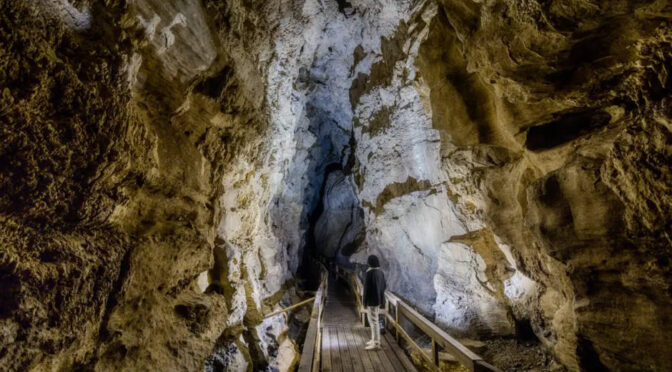
Let’s be honest — if you’re about to go caving for the first time in New Zealand, you’re probably excited, curious, maybe even a little nervous. And you should be — exploring the hidden underground world is unlike almost any other adventure you’ll have. That’s why understanding the most common mistakes that first‑time cavers make will not only help you stay safe, it will make your whole experience more enjoyable.
Here’s what you really need to know before you put on that helmet and headlamp.
Mistake #1 — Underestimating How Tough Caves Really Are
One of the biggest errors newcomers make is assuming that because they’ve done easy hikes or other outdoor activities, caves will be just like that — but darker, wetter, and messier. Caves in New Zealand aren’t theme parks. They’re natural environments that have taken thousands or millions of years to form, and navigating them requires real physical effort. You’ll deal with:
- Pitch‑black darkness once your lights are off.
- Muddy, uneven ground and slippery surfaces.
- Tight squeezes and low ceilings where you need to stoop or crawl.
- Water streams that can make routes wet, cold and unpredictable.
Even guided tours like those at Waitomo give you a sense that caves are fragile, complex spaces where movement has to be careful and deliberate, not casual. Thinking you can just “wing it” like a short walk in a park sets you up for trouble.
Mistake #2 — Skipping the Right Gear
This might sound obvious, but too many first‑timers show up with the wrong clothing or equipment — or, worse, no preparation at all. Real caving requires gear that protects both you and the cave:
- A helmet with a reliable headlamp — ideally with backup lights. In serious caving, many experienced cavers carry three separate light sources because losing light underground can be dangerous.
- Sturdy, non‑slip footwear — caving is muddy and slick, and ordinary sneakers or sandals don’t cut it.
- Warm, moisture‑wicking clothing — caves can be cold and wet even on warm days. Cotton is a poor choice underground because it stays wet and chills you quickly.
- Gloves, knee pads, and elbow pads for protection in tighter, rougher spaces.
Going into a cave without the proper gear isn’t just uncomfortable — it’s unsafe. You wouldn’t go mountain climbing without boots and ropes, so don’t treat caving any differently.
Mistake #3 — Ignoring Safety Training and Guides
Some people think caving is something you can just walk into, especially if it’s marketed as a “tour.” That’s a dangerous assumption. Even in a guided tour context, you should listen carefully and take safety instructions seriously. In more adventurous, unguided caving, novice cavers sometimes choose to go alone or with inexperienced friends — and that’s a recipe for trouble.
Local caving clubs and guides exist for a reason. They:
- Know the cave layout and hazards before you get in.
- Help with equipment advice and trip planning.
- Can teach you techniques for climbing, rope work, and navigation.
- Bring experience that goes beyond a map — like knowing where water hazards or weak rock formations are.
Experienced cavers often say that caves are team environments — you look out for each other, communicate carefully, and always have someone who knows what they’re doing close by. If you’re tempted to go it alone, take a moment to think about how different a cave is from hiking on a marked trail.
Mistake #4 — Overlooking the Environment and Conservation
A cave is not just an adventure location — it’s a delicate ecosystem. Many first‑timers don’t realise how fragile underwater minerals and formations are. The rocks, dripstones, and even the tiny microhabitats around streams and pools can take thousands of years to form, and a muddy handprint or misplaced boot can leave permanent damage.
New Zealand’s conservation culture is strong, and caving organisations emphasize:
- Staying on marked paths and avoiding stepping on fragile formations.
- Keeping noise and light to a minimum so that cave fauna aren’t disturbed.
- Leaving no trash behind — including biodegradable scraps that can alter delicate cave ecosystems.
- Cleaning your gear between cave trips to prevent spread of fungi and bacteria.
This respect for the cave environment isn’t just etiquette — it’s essential to preserve these worlds so they don’t disappear for future adventurers.
Mistake #5 — Underestimating Claustrophobia and Psychological Challenge
Here’s something you won’t read on many commercial tourism sites, but plenty of cavers will tell you the truth: caves can be mentally tough. Even people who think they’re fine in dark or tight spaces above ground can find that once they’re hundreds of metres into the earth, the darkness, echoing quiet, and sense of confinement starts to make them anxious.
It’s not just about squeezing through narrow passages — it’s about being far from sunlight, sometimes unable to quickly turn around, and reliant on artificial light. Even experienced outdoors people sometimes experience panic underground. If you feel even a hint of claustrophobia approaching the cave entrance, honour that feeling and discuss it with your group or guide.
Mistake #6 — Forgetting Emergency Communication and Planning
Another risk first‑timers take is not planning for what could go wrong. All caving safety guides recommend that someone on the surface knows exactly where you are and when you expect to return.
Caves can be labyrinthine. It’s easy to lose track of time, to misjudge how long a route will take, or to have a light fail. If someone on the surface doesn’t have your expected return time, rescuers might not be alerted until it’s too late.
And remember — mobile phones rarely work inside caves. So no matter how confident you feel, assume that once you’re below ground, you should treat yourself as isolated from the network and be prepared accordingly.
Real Stories Behind These Mistakes
You don’t have to look far online to find examples of what happens when people make these errors. In New Zealand and around the world, caving accidents often involve:
- People going in without proper lighting and getting lost or stranded.
- Cavers without appropriate clothing becoming cold and hypothermic.
- Groups underestimating the difficulty of vertical drops and tight squeezes.
The internet is full of amusing “bad caving tips” and stories from experienced cavers joking about mistakes — but there’s a serious side here, too: caving requires respect for safety, environment, and your own limits.
So What Should You Do Instead?
If you’re reading this to prepare yourself properly — great. Here’s a simple mindset shift that will make your first caving experience both safer and more fun:
- Prepare thoroughly — learn about the specific cave you’re visiting, understand the gear you need, and check weather risks (like flooding).
- Go with experienced cavers or guides — never alone, especially on your first trips.
- Respect the cave environment — you’re a visitor in a fragile world that predates humans by millions of years.
- Know your limits — there’s no shame in turning back if it feels too risky or uncomfortable.
Caving in New Zealand can be one of the most rewarding outdoor experiences you ever have — a chance to step into a world that’s hidden, ancient, and utterly fascinating. But the real magic comes when you enter it with preparation, respect, and awareness, rather than mistakes that could spoil the journey or put you at risk.
Make your first cave visit one you remember for the right reasons.