How to find the underground experience that actually fits you
When you first start looking into caving in New Zealand, it’s easy to assume it’s all one type of experience — a bit of darkness, some glowworms, maybe a short walk underground. But once you begin to explore your options, you realise something important: caving here isn’t one thing at all — it’s a whole spectrum of completely different adventures.
Some caves feel calm and almost meditative, where you move slowly and quietly, just taking in the atmosphere. Others are messy, physical, and unpredictable, where you’re climbing, slipping, getting wet, and constantly adjusting your balance. The difference between these experiences is huge — and if you choose the wrong one for yourself, it can completely change how you feel about it.
That’s why the most important decision you make isn’t which cave to visit, but what kind of experience you actually want.
When You Just Want to Slow Down and Take It In
There’s something special about caves that are designed to be accessible. You don’t need to think too much about where to step or how to move — you can just follow the path, listen to your guide, and let the space reveal itself slowly.
These types of caves are often where people first fall in love with caving. You walk through limestone chambers shaped over thousands of years, hear stories about how the cave formed, and eventually find yourself in near-total darkness, looking up at glowworms that feel almost unreal.
The beauty of this kind of experience is that it doesn’t demand much from you physically. Instead, it gives you time to notice details — the echo of dripping water, the texture of rock, the way your eyes adjust to darkness. It’s less about adrenaline and more about presence.
If you’re the kind of person who enjoys nature in a calm, reflective way, this type of cave will feel just right.
When You Want to Feel Like You’re Actually Exploring
At some point, though, you might want more than just walking along a path. You might want to step slightly outside that controlled environment and feel like you’re discovering something, not just observing it.
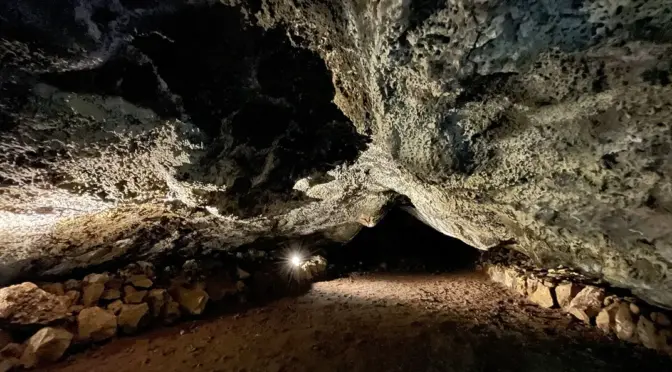
This is where mid-level cave experiences become really interesting. The structure is still there — you usually have a guide, and the route is known — but the cave feels less “prepared” for visitors. The ground is uneven, the space feels more natural, and your movement becomes part of the experience.
You start paying attention to where you place your feet. You might need to crouch, use your hands, or move slowly through sections that feel less predictable. And instead of just looking at the cave, you begin to interact with it.
What’s surprising is how quickly this shift changes your mindset. You become more focused, more aware, and more connected to the space around you. It still feels safe, but it also feels real.
When You’re Ready for Something More Physical and Wild
Then there’s the kind of caving that pushes you a bit further — the kind where you don’t come out clean and relaxed, but slightly tired, muddy, and completely satisfied.
This is where caves turn into playgrounds for adventure. Instead of just walking, you’re moving through water, climbing over rocks, and sometimes floating through underground rivers. You feel the temperature drop, you notice how the air changes, and you realise you’re deep inside a space that doesn’t care whether you’re comfortable or not.
It’s not extreme in a dangerous way when done properly, but it does require effort. You’ll use your body more, rely on balance, and stay mentally engaged the whole time.
What people don’t always expect is how immersive this feels. You’re not just visiting the cave anymore — you’re part of it, adapting to it, figuring it out step by step. And that’s often what makes it so memorable.
When You Decide to Go Without a Guide
There’s another level entirely — the one where you step away from guided experiences and choose to explore on your own.
On the surface, it sounds exciting. No schedule, no group, no one telling you where to go. Just you, your light, and the cave. And yes, that freedom can feel incredible.
But this is also where caving becomes something very different.
Without a guide, everything becomes your responsibility. You need to understand the route, be aware of weather conditions, and know how to handle unexpected situations. Caves can change quickly — especially if water is involved — and what feels manageable at the entrance can become challenging deeper inside.
It’s not about fear, but about respect. These environments aren’t designed for convenience, and once you’re underground, there’s no easy way to rely on outside help.
If you’re prepared and experienced, this kind of exploration can feel deeply rewarding. But if you’re not, it can quickly become overwhelming.
The Part Most People Don’t Think About
What often catches people off guard isn’t just the physical side of caving — it’s how different it feels mentally.
Caves remove all the usual reference points you rely on. There’s no horizon, no natural light, no sense of distance the way you’re used to above ground. Everything becomes immediate — the space around you, the sound of water, the beam of your light.
For some people, this feels peaceful. For others, it takes time to adjust.
That’s why choosing the right type of cave matters so much. It’s not just about how difficult it is physically, but how comfortable you feel being in that kind of environment.
So How Do You Actually Choose?
Instead of searching for “the best cave in New Zealand,” it helps to shift your thinking slightly.
Ask yourself what kind of experience you want to walk away with.
Do you want to feel calm and amazed, or challenged and energized? Do you enjoy moving through nature actively, or do you prefer observing it quietly? Are you curious about the underground world, or are you looking for a bit of adventure?
There’s no wrong answer here. What matters is that your choice matches your expectations.
Because when it does, caving becomes something unforgettable. Not because it’s famous or highly rated, but because it feels exactly right for you.
Final Thoughts
New Zealand offers some of the most diverse cave experiences in the world, but that diversity is easy to overlook if you focus only on the most popular spots.
Once you understand that not all caves are the same, everything changes. You stop looking for the “top” experience and start looking for your experience.
And when you choose well, caving becomes more than just another activity on your itinerary — it becomes one of those moments where you step out of your usual world and into something completely different.
Quiet, dark, unpredictable — and surprisingly meaningful.