The truth behind the adventure — beyond photos and tours
If you’re planning on going caving in New Zealand, there’s a good chance you’ve seen pictures of glowing worms shining like stars in pitch‑black caverns. Maybe you’ve heard about boat rides under twinkling ceilings or thrilling black‑water rafting through underground rivers. And yes — all of that is real, spectacular, and worth experiencing. But there’s a lot that people don’t tell you up front — the gritty, surprising, and profoundly human side of spelunking in this country.
Caving here is more than just a picturesque Instagram moment. It’s about confronting darkness, navigating slippery terrain, respecting fragile environments, and emerging with something deeper than just a memory‑photo. What follows is the honest truth — based on how caves really are in New Zealand and what seasoned explorers wish someone had told them before they first went underground.
1. It’s Darker and Wilder Than Photos Suggest
Let’s start with the obvious, but underestimated: caves are dark. I mean truly without‑light darkness. No ambient glow, no reflected sunlight, nothing. The glowworm patches that you see in photos are tiny points of light against overwhelming blackness. In most caves you’ll be dependent entirely on your own headlamp and backups to navigate.
This isn’t like strolling through a well‑lit tourist attraction. Even in commercial cave tours, once the guide turns off artificial lights, you quickly realize how neutral light above ground doesn’t prepare you for the abyss below. The darkness can feel big — like a space you could get lost in if you weren’t paying attention. In challenging or remote cave systems, it’s so dark that your body will learn to rely on touch and sound more than sight. This is part of why experienced cavers always tell you to carry multiple light sources — headlamps, hand torches, extra batteries — and to plan for every one of them to fail.
2. You Need More Than Just a Headlamp and Boots
Online guides will often list caving gear like helmets, boots, and clothing, but what they don’t emphasize is why each piece matters and how quickly conditions can change underground. Caves in NZ can be wet, muddy, and cold — even in summer — and the floor surfaces are unpredictable. In spots you won’t just walk; you’ll climb, crawl, or wade through shallow pools of ice‑cold water.
Here’s what experienced cavers really rely on:
- Helmet with chin strap and at least two backup light sources — not just to see, but to protect your head from unexpected bumps and low ceilings.
- Water‑resistant layers plus heavy socks — caves can be consistently 10–12 °C or colder, and wet conditions chill you faster than above ground.
- Gloves and knee pads — your hands and knees will often take the brunt of crawling and gripping wet rock.
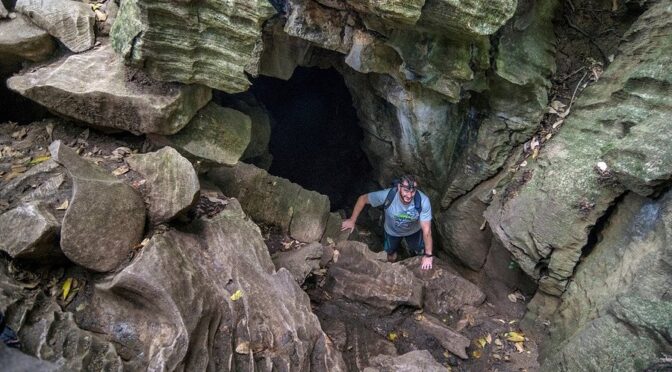
For commercial tours, guides might provide some gear, but in independent caving (especially off‑the‑beaten‑track spots like Waipu or Clifden Caves), you are the one responsible for being prepared. If you show up with just a phone flashlight and sneakers, you’re asking for discomfort and risk.
3. It’s More Physically and Mentally Demanding Than You Think
Absolutely — public tours like Waitomo’s glowworm experience are designed to be accessible. They’re structured, safe, and suitable even for people who aren’t adventure‑seekers. But if your idea of “caving” includes squeezing through tight passages, ascending ladders, or exploring wild sections without marked paths, the reality is demanding. You will use muscles you forgot you had.
Caves can surprise you with steep inclines, sharp rocks, and low ceilings that make you crouch or shuffle for long stretches. Motion in caves isn’t like walking down a trail — it’s often about balance, stability, and careful pace. Sometimes you’ll have to use your hands before your feet to find secure holds. Even energy levels that feel fine above ground can feel depleted quickly underground.
Beyond that, caves can test your nerves. Close, dark spaces expose you to the parts of the human brain that start asking, “What if…?” if you’re not ready for it. Many people don’t realize how mentally intense it can feel until they’re halfway in — that sense of isolation, where the outside world literally disappears, and your only reference point is your own light and breath.
4. Weather Above Ground Can Ruin Your Trip Below
This is one of the biggest surprises for first‑timers: heavy rain above ground can turn a cave into a hazard fast, even if the forecast looks fine where you are. Many cave systems — especially river or stream caves — can flash flood within minutes after rain, even if the storm is miles away. DOC and caving guides emphasise checking weather history before entering caves like Clifden, and avoiding them entirely if it’s rained within the last 24 hours.
Once water starts rising underground, narrow passages can fill up, routes can become impassable, and safe exit points can become dangerous. This isn’t something you can escape by climbing — water pressure can block exits or wash away equipment. Respecting weather conditions isn’t just practical; it’s crucial for your safety.
5. Mobile Phones Don’t Work Underground — Plan Accordingly
In those dramatic tourist videos of glowworms and boat rides, you might notice people casually holding phones. In true cave environments, that’s not realistic. There’s virtually no mobile signal underground, because the rock and earth block it completely. That means you can’t rely on your phone for navigation, photos, communication, or emergencies once you’re below the surface.
For independent caving, experienced cavers recommend:
- Letting someone on the surface know exactly where you’re going and when you expect to be back.
- Carrying physical maps or guides if the cave is not commercial.
- Having a whistle or team communication system in case you get separated.
Being prepared for no connectivity is part of respecting the cave’s environment and your own safety.
6. Glowworms Don’t Glow Because They Like You — They’re Hunting
Most people see glowworms and imagine pretty lights for humans to enjoy. In reality, glowworms are bioluminescent larvae that light up to trap and lure prey, not to entertain visitors. They hang silken threads from the cave ceiling like fishing lines, using their glow to attract tiny insects. That’s why you’ll see them mainly in moist, undisturbed areas where insects are present.
This is a small truth with a big implication: their glow varies with humidity, temperature, and food availability. You won’t always see them “sparkling like a starry sky” — sometimes their lights are softer or more scattered, depending on conditions. So if you go expecting postcard‑perfect glow patterns every time, you might be surprised.
7. Not All Caves Are Created Equal — Choose Your Adventure Wisely
When you hear “caving,” people often default to Waitomo Caves — and it’s true, they’re iconic and widely visited. But New Zealand’s underground landscape is diverse: from commercial glowworm tours to raw, undeveloped systems. The Department of Conservation highlights that there are hundreds of caves across the country, many with different levels of difficulty and risk.
Some offer guided, family‑friendly paths and boat rides. Others, like Clifden Caves in Southland, involve an hour or more of challenging terrain, ladders, muddy crawls, and water crossings that require preparation and skill. You can find caves that are just for walking and viewing formations, and others that are full on expeditions requiring team coordination and planning.
Understanding what you’re signing up for — and matching it to your fitness and experience level — is something most adrenaline‑seeking travelers learn only after the fact.
8. Caving Isn’t a Solo Sport — It’s Teamwork
New Zealand’s official caving safety advice stresses that you should never go alone. Caving is a team activity — you look out for one another, help each other through tricky spots, and keep the group together. Caving clubs and experienced local groups often encourage people to go with someone experienced for their first time.
This isn’t just about companionship — if someone gets injured underground, you literally need a team to help carry them out. The deeper and more complex the cave, the more challenging and time‑consuming a rescue becomes. Caving with others isn’t just recommended — it’s a safety necessity.
9. You’re Entering a Fragile Ecosystem — Respect It
Caves are not just rocks and tunnels. They’re ecosystems that have formed over millions of years. Caving guidelines from conservation authorities emphasize moving slowly, watching your head, and avoiding touching anything that could be easily damaged, because cave features, sediments, and fauna are incredibly fragile. They also recommend washing gear between trips to prevent the spread of bacteria and fungi that can harm cave biota.
What this means for you is simple but often overlooked: your presence matters. Your movements can affect how the cave looks and how other visitors experience it — so move consciously, respect guided paths, and avoid altering the space.
Final Thought
If you come to New Zealand expecting only glowing worms and easy tours, you’ll be missing the depth of what caving can offer. It’s not just a tourist activity — it’s a visceral experience of time, darkness, geology, and nature’s quiet immense forces. You’ll emerge not just dirty, but changed — with a deeper appreciation for light, space, and the stories below the world’s surface.
So go prepared. Go with respect. And go ready for more than you bargained for — in the best possible way.